

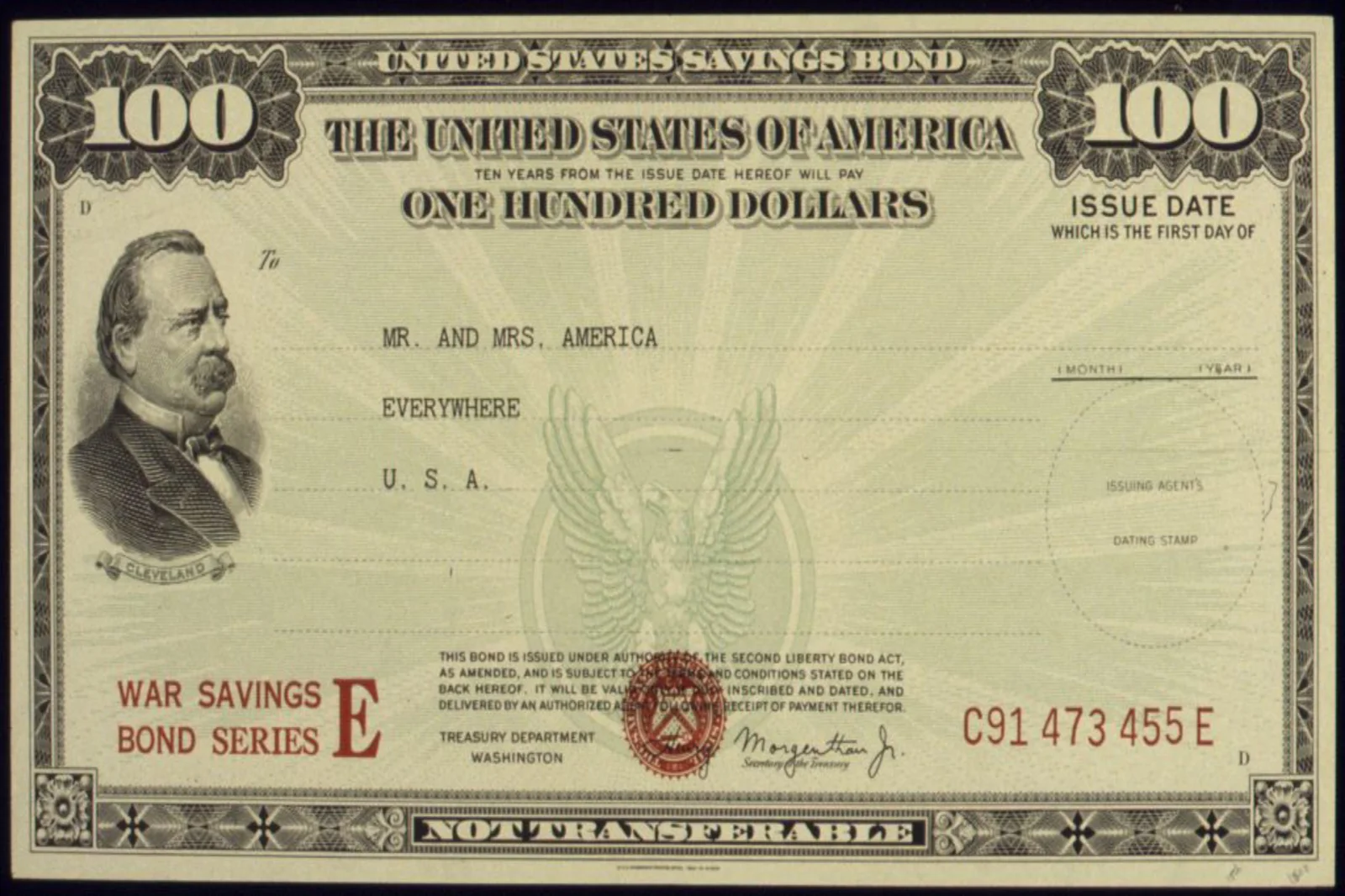
A bond is a fundamental instrument in finance, essentially representing a debt security—an IOU (I Owe You) issued by a borrower to a lender (the investor). When you purchase a bond, you are lending money to the issuer, which can be a government (national, state, or local) or a corporation.
Bonds are often referred to as fixed-income securities because they typically provide the investor with a steady and predictable stream of income in the form of regular interest payments, known as the coupon rate.
⚙️ How Bonds Work
A bond has three key components:
- Face Value (Par Value/Principal): This is the amount the investor initially loans to the issuer and the amount that will be repaid when the bond matures.
- Coupon Rate: The fixed interest rate the issuer pays to the bondholder, usually semiannually (twice a year).
- Maturity Date: The specific date on which the issuer is obligated to repay the bond's face value to the investor.
Issuers raise capital through bonds to finance various activities, such as government infrastructure projects (like highways and schools) or corporate expansions and operational funding.
🏛️ Main Types of Bonds
Bonds are categorized based on their issuer and features:
- Government Bonds (Treasuries): Issued by national governments (e.g., U.S. Treasury Bonds). They are generally considered the safest investment because they are backed by the full faith and credit of the government, thus carrying a very low risk of default.
- Corporate Bonds: Issued by private and public corporations to fund business activities. These bonds typically offer a higher yield than government bonds to compensate for the higher risk of the company defaulting.
- Municipal Bonds (Munis): Issued by state or local governments to fund public projects. A key feature is that the interest earned is often exempt from federal and/or state taxes, making them attractive to investors in higher tax brackets.
- Zero-Coupon Bonds: These bonds do not pay regular interest. Instead, they are sold at a deep discount to their face value, and the investor receives the full face value (principal + accumulated interest) only when the bond matures.
⚖️ Bonds vs. Stocks
It is crucial to distinguish bonds from stocks:
| Feature | Bonds | Stocks (Equities) |
|---|---|---|
| Investor Status | Lender (Creditor) | Owner (Shareholder) |
| Return | Fixed Interest Payments (Coupon) | Dividends and Capital Appreciation |
| Risk | Lower Risk/Lower Potential Return | Higher Risk/Higher Potential Return |
| Repayment in Bankruptcy | Have priority over stockholders | Repaid only after all creditors |
Bonds are a key component of a diversified investment portfolio, primarily serving to preserve capital and provide a stable income stream, which helps to offset the volatility associated with stock investments.
Comments (0)