

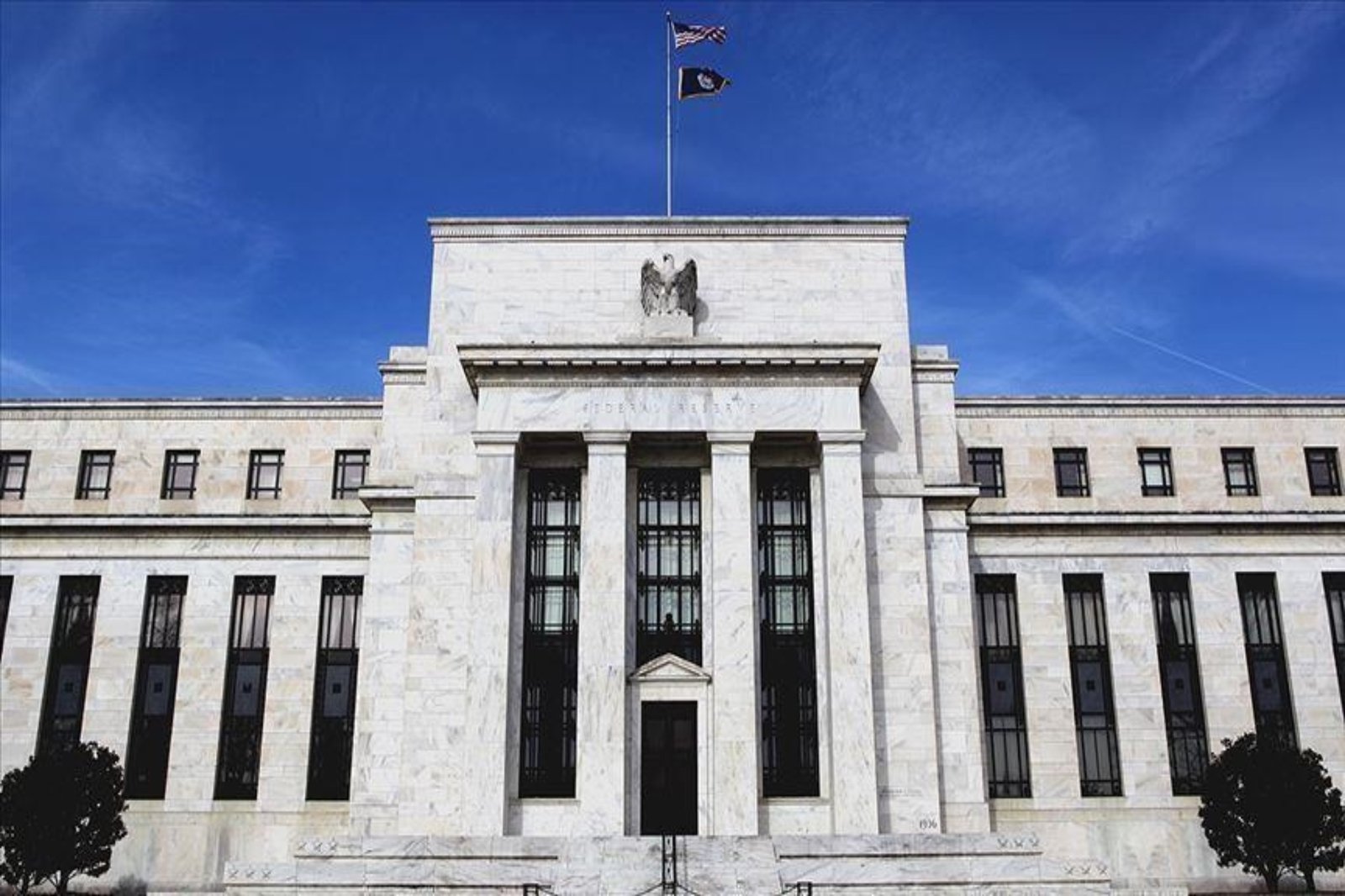
The term "Fed" is the common name for the Federal Reserve System, which serves as the central bank of the United States. Established in 1913 by the U.S. Congress, the Fed was created to provide the nation with a safer, more flexible, and more stable monetary and financial system.
It is arguably the most powerful economic institution in the world, as its decisions can impact not only the U.S. economy but also the global financial landscape.
What Does the Fed Do?
The Federal Reserve has several key functions, but its primary responsibilities are grouped into four main areas:
1. Conducting Monetary Policy This is the Fed's most well-known role. Its main goal is to promote maximum employment and stable prices (which means keeping inflation low and predictable). The Fed's primary tool for this is managing interest rates.
- Interest Rates: The Fed sets a target for the federal funds rate, which is the interest rate at which banks lend to each other overnight.
- Raising Rates: When the economy is growing too fast and inflation is a concern, the Fed raises interest rates. This makes borrowing money more expensive, which can slow down spending and help control rising prices.
- Lowering Rates: When the economy is weak or in a recession, the Fed lowers interest rates. This makes borrowing cheaper, encouraging businesses to invest and consumers to spend, which helps stimulate economic growth.
2. Promoting Financial Stability The Fed monitors the financial system to identify and mitigate risks. It works to ensure that banks and other financial institutions are sound and that the financial system as a whole can withstand economic shocks. It also acts as the "lender of last resort," providing emergency loans to banks during a financial crisis to prevent widespread failures.
3. Supervising and Regulating Banks The Fed supervises many of the nation's largest banks to ensure they operate safely and fairly. It writes the rules that govern banking and conducts on-site examinations to make sure banks are complying with laws and regulations.
4. Fostering a Secure Payment System The Fed plays a vital role in the nation's payment system. It processes electronic payments, distributes the nation's currency (paper money and coins), and ensures that checks are cleared efficiently.
How is the Fed Structured?
The Federal Reserve System is designed to be both independent within the government and decentralized. It has three main components:
- The Board of Governors: Located in Washington, D.C., this is the main governing body of the Fed. It consists of seven members (or "governors") who are appointed by the President of the United States and confirmed by the Senate.
- The Federal Reserve Banks: There are 12 regional Federal Reserve Banks located in major cities across the U.S. (e.g., New York, Chicago, San Francisco). These banks are the operating arms of the central bank, supervising local banks and gathering economic data from their regions.
- The Federal Open Market Committee (FOMC): This is the committee that actually makes the key decisions about interest rates and monetary policy. It includes the seven governors from the Board and the presidents of the 12 regional banks (though only five bank presidents vote at any given time).
In summary, the Fed is a crucial institution responsible for steering the U.S. economy by managing the country's money supply and interest rates, all while working to keep the banking system stable and secure.
Comments (0)