

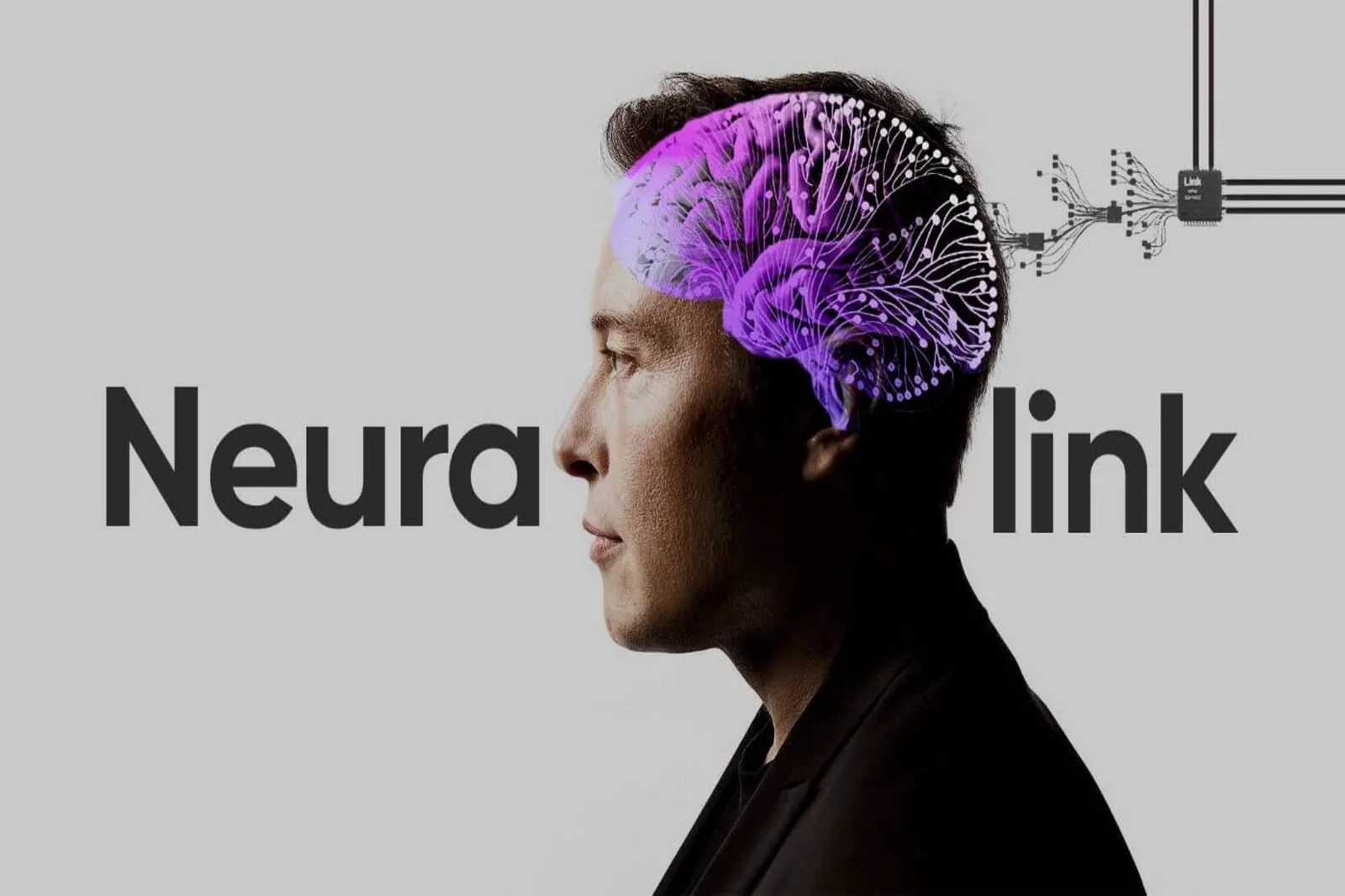
In the landscape of emerging technologies, few ventures capture the public imagination—and spark as much debate—as Neuralink. Founded by Elon Musk, the neurotechnology company is not just aiming to treat neurological conditions; it is striving to create a high-bandwidth brain-computer interface (BCI) that could fundamentally redefine human interaction, cognition, and our relationship with artificial intelligence.
What is Neuralink and How Does it Work?
At its core, Neuralink is developing a fully implantable device that acts as a bridge between the human brain and an external computer. The system, known as the "N1 Implant" or "The Link," is a coin-sized device surgically placed in the skull.
The true innovation lies in its "threads." The device features thousands of ultra-thin, flexible threads, each significantly thinner than a human hair. These threads are inserted into the brain's cortex by a bespoke surgical robot (the R1 robot) with microscopic precision, designed to avoid blood vessels and minimize tissue damage.
These threads are equipped with electrodes that can "read" (record) and "write" (stimulate) neural signals. When a person intends to perform an action, like moving a hand, specific neurons in their brain fire in a distinct pattern. The N1 implant detects these signals, decodes the user's intent, and transmits the data wirelessly via Bluetooth to a computer or smartphone.
The Primary Mission: Restoring Autonomy
While the long-term goals are ambitious, Neuralink's immediate focus is profoundly medical. The company's first human clinical trial, known as the PRIME Study (Precise Robotically Implanted Brain-Computer Interface), targets individuals with quadriplegia, typically resulting from cervical spinal cord injuries or amyotrophic lateral sclerosis (ALS).
In early 2024, Neuralink announced it had successfully implanted its first human patient. This individual, who is paralyzed, has since demonstrated the ability to control a computer cursor, play online chess, and use social media using only his thoughts. This first application, nicknamed "Telepathy," aims to restore digital freedom and communication to those who have lost it.
Beyond motor control, Neuralink is actively developing other medical applications. Its "Blindsight" project aims to restore vision to the blind, and other programs are investigating the potential to restore speech.
The Long-Term Vision: Symbiosis with AI
Elon Musk has been open about the company's grander, more philosophical objective: to ensure humanity's future in an age of advanced artificial intelligence.
The long-term goal of Neuralink is to create a generalized brain interface that can serve as a "tertiary layer" of cognition. This would, in theory, allow humans to achieve a "symbiosis with AI," merging human biological intelligence with digital intelligence. Musk argues that such an interface is necessary to prevent humanity from being "left behind" by superintelligent AI.
This vision pushes Neuralink from the realm of medical devices into science fiction, suggesting a future where humans could potentially access information, communicate, or even enhance their own cognitive abilities directly through a brain interface.
The Road Ahead: Progress and Hurdles
As of late 2025, Neuralink has expanded its human trials, receiving regulatory approval in several countries beyond the United States. While the initial results from the first human patient are promising, the company faces immense scientific and ethical challenges.
The long-term safety, durability, and biocompatibility of the implant are critical hurdles. Furthermore, the technology raises profound ethical questions about cognitive liberty, data privacy, and the potential for social inequality if such enhancements become commercially available.
Despite the controversies, Neuralink has successfully shifted the conversation around brain-computer interfaces from a theoretical possibility to a tangible engineering problem. It is no longer a question of if humans will interface directly with machines, but how—and Neuralink is determined to be the one that builds the bridge.
Comments (0)